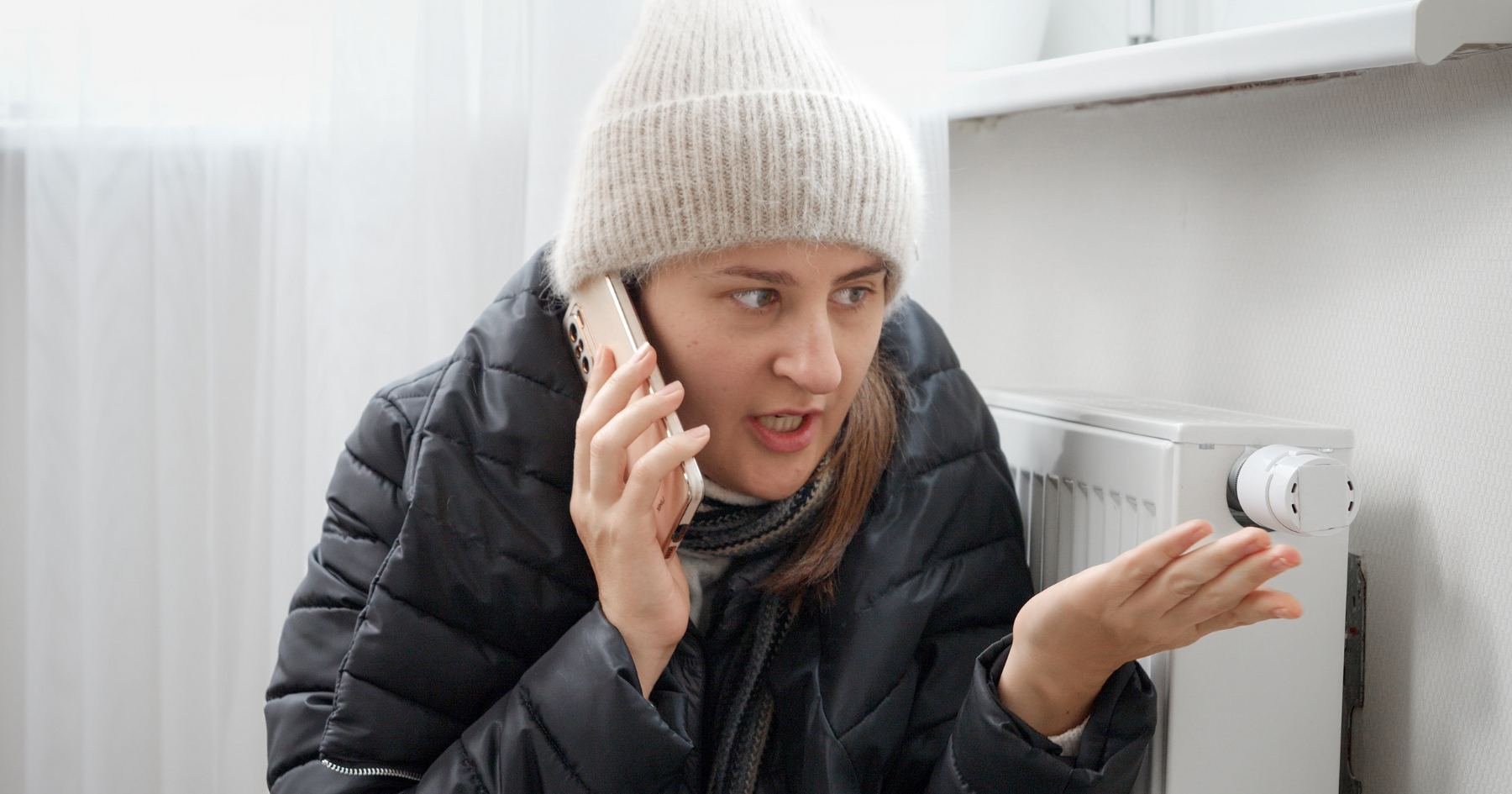
When your heat stops working in the middle of an Alaska winter, it’s more than an inconvenience—it’s an emergency. In Anchorage, Alaska, sub-zero temperatures can quickly turn a heating failure into frozen pipes, property damage, and serious safety concerns for your family.
If you’re dealing with no heat or searching for emergency heating repair in Anchorage, acting quickly is essential. Knowing what steps to take and when to call a professional can help protect your home and restore comfort as fast as possible.
At Moore Heating & Air, we specialize in emergency heating repair, offering reliable service from experienced, licensed, and certified technicians who understand Alaska winters and the systems built to handle them.
When winter hits, and your furnace fails, our licensed, insured team has you covered—contact Moore Heating for immediate service.
First Priority: Make Sure Your Home Is Safe
Before troubleshooting, safety always comes first. A heating emergency can involve gas, electricity, or carbon monoxide, and those risks should never be ignored.
Leave the Home and Call for Help Immediately If You Notice:
- A strong gas smell
- Smoke or visible sparks
- Carbon monoxide detector alarms
- Burning or electrical odors
If you smell gas or suspect a carbon monoxide issue, evacuate immediately and call emergency services or your gas provider once you’re safely outside. Do not use light switches, phones, or open flames inside the home.
If there are no immediate safety risks, you can move forward with basic troubleshooting.
Step-by-Step: What to Check When Your Heat Stops Working
Some heating issues have simple causes, especially during heavy winter use. These quick checks may help identify the problem before professional repair is needed.

1. Check the Thermostat
Make sure your thermostat is:
- Set to heat
- Set higher than the current room temperature
- Powered on (replace batteries if applicable)
A thermostat setting or power issue is one of the most common causes of no-heat calls.
2. Check Circuit Breakers and Furnace Power
Look for any tripped breakers labeled furnace, HVAC, or heating. Reset once only. If the breaker trips again, stop and call a professional—this may indicate an electrical issue.
Also, check the furnace power switch, which can sometimes be turned off accidentally.
3. Inspect the Air Filter
A clogged filter can cause your furnace to shut down to prevent damage.
If the filter is dirty:
- Replace it immediately
- Allow 10–15 minutes to see if the system restarts
4. Check Exterior Intake and Exhaust Pipes
During heavy snowfall, exterior furnace pipes can become blocked by snow or ice.
Make sure:
- Pipes are clear
- No ice buildup is restricting airflow
Blocked pipes can prevent your heating system from operating safely.
5. Look for Error Codes
Many modern heating systems display error codes. If you see flashing lights or messages, write them down or take a photo. This information helps technicians diagnose the issue more efficiently.
How to Stay Warm and Protect Your Home While You Wait
If emergency heating repair is needed and help is on the way, take steps to protect your family and your plumbing.
Temporary Comfort Tips
- Close doors to contain heat
- Wear layered clothing and use blankets
- Use approved space heaters safely and never unattended
- Avoid using ovens or stovetops for heat
Prevent Frozen Pipes
Frozen pipes can cause serious damage during heating outages.
To reduce risk:
- Open cabinet doors under sinks
- Let faucets drip slowly
- Keep water moving through the plumbing system
Acting early can help prevent costly plumbing repairs.
When to Call for Emergency Heating Repair in Anchorage
If your heating system still isn’t working after basic checks, it’s time to call a professional heating company.
You should contact Moore Heating immediately if:
- Your furnace won’t turn on at all
- Heat is inconsistent or blowing cold air
- The system cycles repeatedly
- You hear loud or unusual noises
- Your home temperature continues to drop
- Hot water is unavailable due to boiler or water heater failure
Searching for “heating repair near me” during winter often means time is critical. Calling a local company that offers 24/7 emergency heating repair, like Moore Heating, ensures a faster response and proper diagnosis.
Why Heating Emergencies Happen in Alaska
Heating systems in Alaska operate under extreme conditions for long periods. Even well-maintained systems can experience failures during peak winter demand.
Common causes include:
- Dirty or restricted airflow
- Ignition or sensor failure
- Electrical component breakdown
- Blower motor issues
- Frozen vents or blocked exhaust
- General wear from continuous operation
That’s why emergency heating services are so important during winter months.
Why 24-Hour Furnace Repair in Alaska Matters
In Alaska, a heating emergency doesn’t wait for business hours. Losing heat overnight or during a storm can quickly become dangerous.
Moore Heating provides 24-hour furnace repair in Alaska, ensuring Anchorage, Eagle River, and surrounding communities have access to help when they need it most.
Our professional technicians are:
- Licensed, insured, and certified
- Trained to diagnose issues correctly
- Equipped to repair most heating systems efficiently
- Experienced with furnaces, boilers, heaters, and HVAC systems
Our goal is to restore heat safely and correctly—without unnecessary delays.
What to Expect When You Call Moore Heating
During an emergency, clear communication and reliability matter.
When you call Moore Heating, you can expect:
- Prompt response and scheduling
- Experienced technicians are dispatched quickly
- Thorough system diagnostics
- Clear explanations and honest recommendations
- Quality repairs completed efficiently
We take pride in providing exceptional service, standing behind our work, and treating every customer with respect.
Preventing Future Heating Emergencies
Once heat is restored, preventive maintenance helps reduce the risk of another emergency.
Maintenance Helps:
- Extend the lifespan of heating systems
- Improve efficiency and comfort
- Lower energy bills
- Reduce unexpected breakdowns
Annual tune-ups and routine maintenance allow technicians to catch small issues before they become major problems.
Emergency Heating Repair FAQs
Is it safe to stay in the home without heat?
In extreme cold, indoor temperatures can drop quickly. If conditions become unsafe, relocate temporarily and call for emergency repair.
Can heating issues affect plumbing?
Yes. Heating failures increase the risk of frozen pipes and plumbing damage.
How fast can emergency heating repair be completed?
Many repairs are completed the same day. Carrying common parts allows technicians to resolve issues quickly.
Should I call or schedule online during an emergency?
Calling is always faster for no-heat emergencies, especially during winter conditions.
Need Emergency Heating Repair in Anchorage? We’re Ready to Help
When winter hits hard, and your heat goes out, you need a heating company you can trust. Moore Heating & Air proudly provides emergency heating repair in Anchorage, delivering reliable solutions backed by experience, professionalism, and local expertise.
Our team is committed to keeping Alaska homes warm, safe, and protected—day or night, all winter long.
If you have no heat, don’t wait. Contact Moore Heating now for emergency heating repair and 24-hour furnace service.